September 10, 2026
Commercial operations across various economic sectors rely heavily on continuous physical movement and robust logistical networks to sustain daily productivity and preserve revenue streams. Disruptions caused by sudden vehicular breakdowns, mechanical equipment failures, or complex transport bottlenecks can rapidly create severe financial strain and extensive operational delays. Specialized transport and asset recovery providers fulfill an indispensable role in modern commerce by delivering rapid assistance, clearing hazardous highway obstacles, and ensuring that valuable commercial machinery moves safely between designated locations. By thoroughly analyzing how distinct industries utilize professional transport assets, business leaders can better structure their supply chains, mitigate financial risk, and improve emergency response capabilities across their organization.
Beyond emergency recovery services, specialized vehicle transport providers contribute directly to regulatory compliance, public road safety, and workplace safety standards across private and public sectors. The integration of robust transport networks allows modern enterprises to optimize physical resource allocation, reduce costly equipment downtime, and manage heavy specialized machinery with high efficiency. Recognizing the foundational operational value of these dedicated recovery services highlights their ongoing importance in keeping modern commerce running smoothly without unnecessary operational interruptions.
1. Automotive Dealerships
Automotive dealerships depend heavily on structured transport solutions to maintain inventory movement across multiple sales lots, off-site storage yards, and showroom floors. Large retail dealerships frequently store excess vehicle inventory in remote secondary staging yards, requiring regular and carefully coordinated transfers to their primary retail locations. Deploying a dedicated tow truck service allows inventory managers to relocate multiple vehicles safely without accumulating unwanted mileage or risking minor road damage on brand-new stock. Furthermore, incoming shipments arriving from manufacturing facilities or maritime ports often require immediate offloading and precise vehicle placement, making professional transport equipment vital for maintaining commercial sales readiness.
Beyond internal inventory organization, rapid-response vehicle transport significantly enhances the overall customer service experience during post-purchase breakdown scenarios. If a retail customer encounters an unexpected mechanical breakdown shortly after taking delivery of a vehicle, arranging immediate flatbed transport directly back to the dealership service department preserves business reputation and customer goodwill. Many progressive automotive dealerships bundle local vehicle transport services with long-distance buyer delivery options, transporting newly purchased vehicles directly to private residences or corporate offices. This elevated level of hands-on logistics streamlines retail sales transactions while keeping overall dealership operations organized, secure, and thoroughly efficient.
2. Vehicle Repair Facilities
Professional mechanics and commercial repair shops rely on steady vehicle delivery systems to keep their service bays operating at maximum capacity every week. Fleet vehicles suffering from severe internal engine failures, damaged automatic transmissions, or structural collision damage cannot be driven safely on public roadways without risking further mechanical destruction. Utilizing professional vehicle transport ensures that non-operational automobiles arrive at the designated repair facility safely and without enduring additional mechanical stress. This controlled transport process protects valuable client assets while allowing certified repair technicians to conduct accurate diagnostic assessments as soon as the vehicle reaches the shop premises.
Collaborating with specialized transport operators also significantly expands a commercial repair facility's total operational reach and client acquisition network. Repair shops frequently form strategic partnerships with mobile dispatch networks to handle complex recovery operations where on-site mechanical repairs prove impossible. By establishing long-term service contracts with local transport fleets, repair facilities secure a reliable and continuous stream of incoming service leads while offering their clients comprehensive roadside assistance programs. This operational synergy ensures seamless service delivery from the precise moment a commercial vehicle fails on the highway to its final post-repair inspection.
3. Construction Equipment
Modern construction job sites depend heavily on massive heavy machinery to complete initial earthmoving, structural framing, and general site preparation tasks efficiently. Moving heavy construction equipment like excavators, tracked bulldozers, motor graders, and compactors between distinct job sites requires specialized heavy-duty transport capabilities. Deploying specialized tow truck machinery guarantees that heavy industrial equipment reaches target work zones safely while remaining fully compliant with state and federal transportation safety regulations. Preventing unexpected delays in equipment transport enables project managers to maintain strict construction schedules and avoid expensive labor downtime on site.
When heavy site machinery experiences a sudden mechanical breakdown, moving the disabled equipment to a specialized industrial repair facility quickly becomes urgent. Specialized recovery operators possess the heavy-duty winches, rigging gear, and specialized trailers necessary to haul massive, non-operational machinery out of deep mud or tight terrain. With over 63,000 towing and roadside service vehicles operating across the United States, according to Grand View Research, the availability of towing assets is expansive, enhancing the logistics sector's responsiveness. This ready availability of specialized recovery gear protects tight construction deadlines and keeps essential infrastructure projects moving forward on schedule.
4. Municipalities and Enforcement
Municipal governments and public law enforcement agencies utilize specialized vehicle recovery services to maintain general order, public safety, and traffic flow on busy roadways. Following severe traffic collisions or sudden highway vehicle disablements, clearing blocked lanes rapidly prevents cascading traffic congestion and lowers the statistical risk of secondary collisions. Municipal public safety departments routinely maintain formal dispatch agreements with private transport operators to guarantee rapid emergency response times, ensuring public thoroughfares are cleared quickly for commuter traffic, transit buses, and emergency service vehicles.
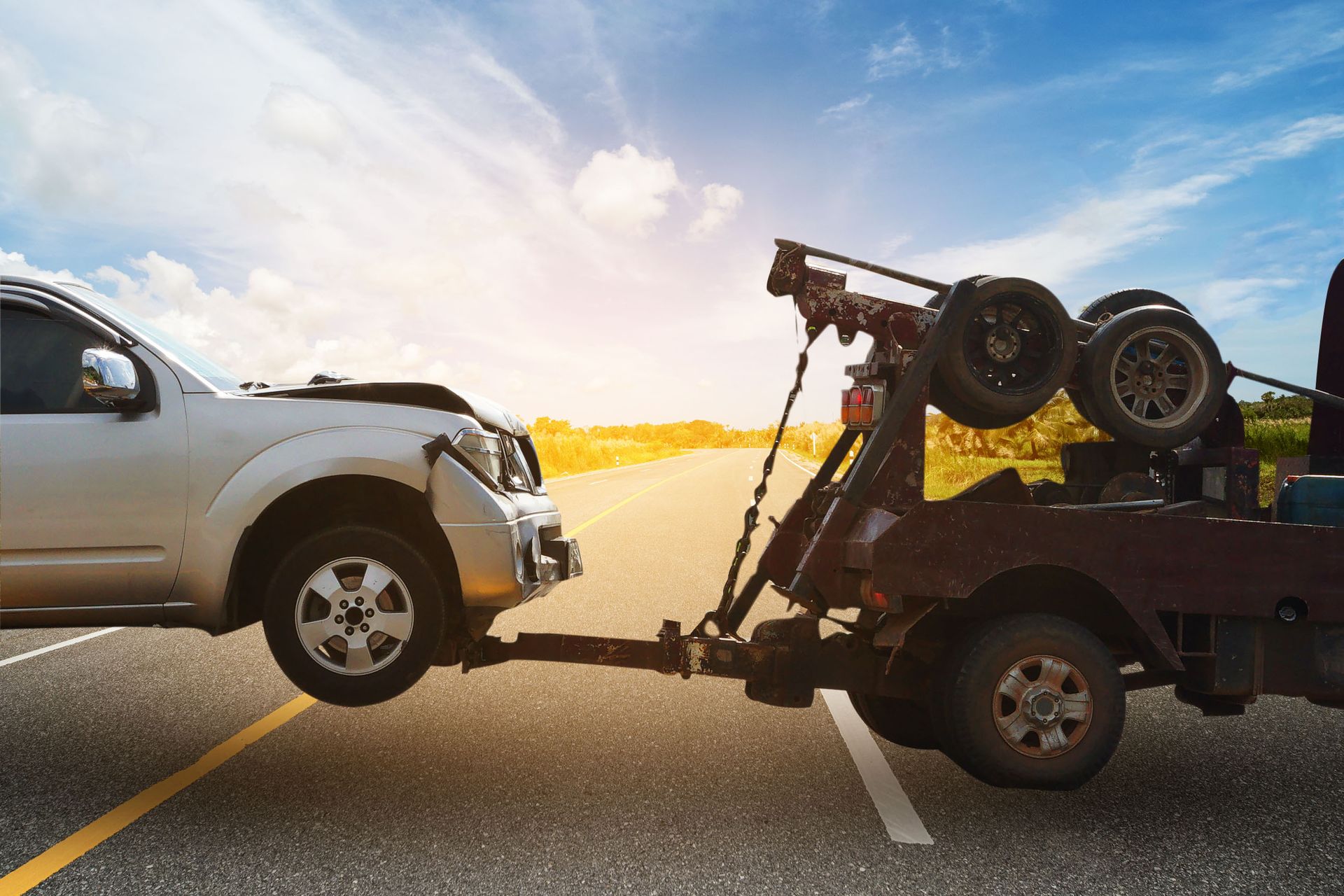
Municipal enforcement agencies also depend on professional transport services to manage urban parking compliance, public transit clearance, and vehicle impound operations daily. Commercial or private vehicles parked illegally in designated fire lanes, blocking active loading docks, or parked unlawfully in high-volume traffic corridors disrupt city mobility and create immediate public hazards. Utilizing a specialized tow truck allows municipal parking officers to remove non-compliant vehicles efficiently, restoring public access and maintaining smooth traffic movement through densely populated urban corridors. During large public gatherings or major city events, these specialized transport operators provide vital ground support to manage overall vehicle flow and maintain open emergency access lanes.
5. Freight Logistics
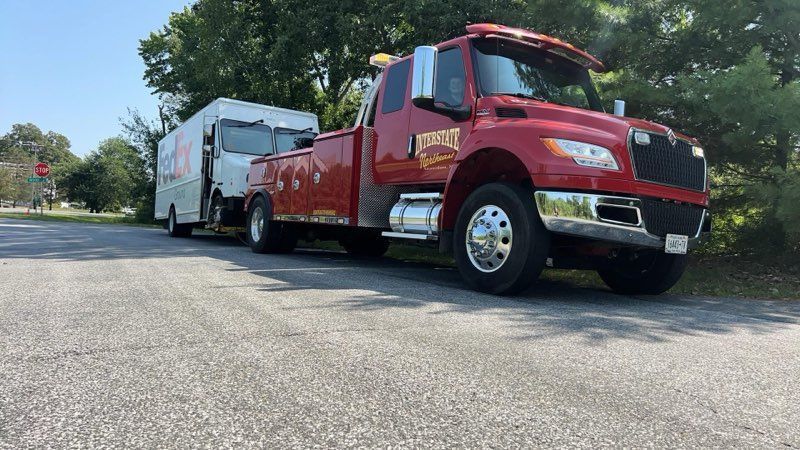
Freight forwarders and commercial shipping fleets depend on specialized recovery networks to protect supply chain continuity and meet demanding delivery schedules. When an over-the-road freight carrier suffers a severe tractor unit or trailer breakdown on a rural highway, the commercial cargo carried inside must still reach its destination within strict timeframes. Transport operators facilitate rapid supply chain mitigation by moving disabled commercial rigs off active transit corridors and bringing replacement tractors or trailers directly to the scene. This swift intervention keeps time-sensitive freight moving forward while minimizing financial penalties associated with late commercial deliveries.
Staging operations and cross-docking procedures within high-volume logistics hubs also benefit from dedicated transport support. Moving non-operational trailers or repositioning heavy yard equipment within crowded freight terminals requires specialized hauling capabilities and experienced operators. Utilizing an industrial tow truck enables logistics facility managers to clear overcrowded dock spaces, organize vehicle staging yards, and maintain optimal operational throughput. These critical backend logistics capabilities ensure that regional distribution networks continue to function at peak capacity even when individual fleet vehicles experience unexpected mechanical failures.
Commercial operations across every major economic sector require dependable transport infrastructure to address mechanical failures, manage dynamic inventory, and maintain site safety. From automotive dealerships and repair facilities to municipal agencies, construction firms, and national freight networks, professional transport providers deliver essential operational support that keeps modern businesses moving forward. Partnering with a dedicated service provider ensures swift emergency response times, complete regulatory compliance, and minimized operational downtime across your entire commercial fleet. Contact Interstate Northeast, Inc today to partner with a trusted
tow truck provider and secure reliable, professional transport solutions tailored specifically to your commercial fleet operations.