November 13, 2026
Operating an automobile provides daily freedom and convenience, yet unexpected roadside emergencies can arise without warning. Whether commuting to employment, transporting family members, or traveling along unfamiliar highways, drivers inevitably encounter mechanical breakdowns, hazardous weather, or sudden accidents. In these distressing moments, determining whether a vehicle remains safe to drive or requires professional transport becomes a crucial decision. Attempting to maneuver a compromised automobile can cause extensive mechanical damage, jeopardize personal safety, and create severe hazards for other motorists sharing the roadway. Enlisting a qualified towing service provides immediate relief, protecting both the vehicle and its occupants from unnecessary danger. Knowing the specific circumstances that demand professional assistance allows motorists to respond calmly and decisively during stressful situations. Understanding these critical scenarios ensures that drivers make informed choices that preserve their safety and safeguard their valuable automotive investments.
Addressing Mechanical Failures
Modern automobiles contain sophisticated mechanical and electrical systems that require harmonious operation to function properly. When internal components deteriorate or malfunction unexpectedly, continuing to operate the vehicle can result in catastrophic damage. Severe engine overheating serves as a prominent example where immediate roadside shutdown becomes vital. If the temperature gauge spikes into the danger zone or steam billows from beneath the hood, internal gaskets, cylinder heads, and engine blocks face catastrophic warping within minutes. Similarly, complete transmission slippage, sudden loss of oil pressure, or total electrical failure will instantly render a vehicle inoperable. Ignoring dashboard warning indicators and attempting to limp toward a repair facility often turns a manageable component replacement into a complete powertrain rebuild. Under these dire conditions, contacting a reliable towing service prevents compounded internal destruction and preserves the core components of the powertrain.
Unusual sensory warnings also alert drivers that immediate professional intervention is required. Loud grinding noises from the wheel assemblies, severe steering wheel vibrations, or the pungent smell of burning fuel or melting plastic demand prompt cessation of travel. A malfunctioning steering rack or failing braking system poses an immediate threat to life, making any further movement down the highway unacceptably reckless. Even if the engine continues to idle smoothly, the inability to stop or steer reliably removes all control from the hands of the motorist. Pulling safely onto the road shoulder and turning on hazard flashers must be followed immediately by a request for assistance. Calling a dedicated towing service ensures that the incapacitated vehicle reaches an experienced technician without endangering anyone on the highway.
Managing Dangerous Collisions
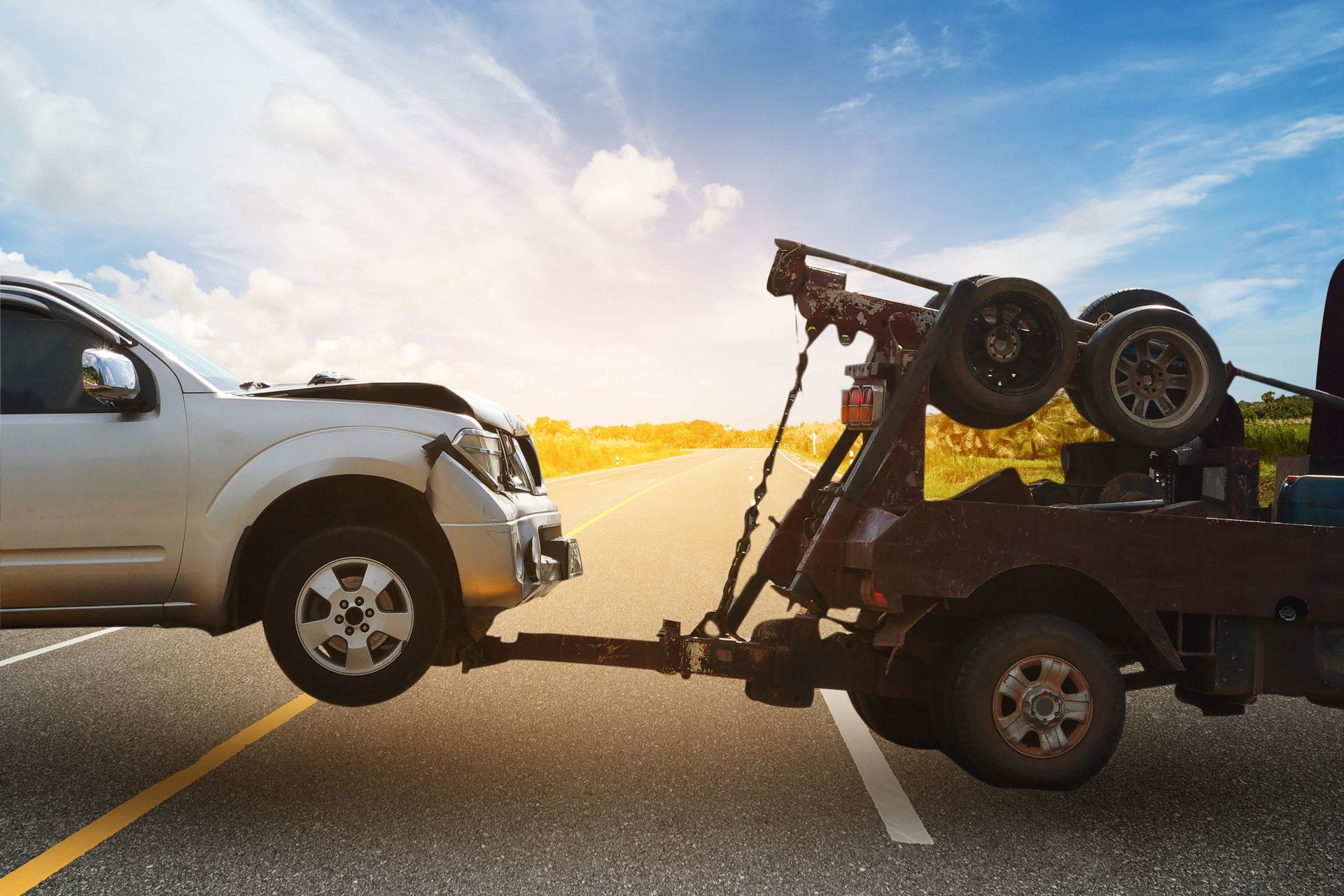
Motor vehicle collisions represent chaotic and emotionally jarring experiences that frequently leave automobiles structurally compromised. Even low-speed impacts can bend suspension components, dislodge protective bumpers, or shatter vital cooling mechanisms. Following an impact, concealed structural damage may prevent wheels from rotating freely or cause body panels to rub aggressively against tires. Furthermore, leaking fluids such as coolant, motor oil, or flammable gasoline create severe environmental hazards and extreme fire risks. Drivers must never attempt to restart or operate an automobile that has sustained substantial front or rear impact. Leaving the transportation of a damaged vehicle to a certified towing service guarantees that the automobile is removed from the roadway safely without causing additional structural strain.
Post-collision situations also introduce severe legal and insurance considerations that necessitate professional handling. Law enforcement officers investigating an accident scene typically mandate the prompt removal of disabled vehicles to restore traffic flow and eliminate roadway hazards. Professional transport ensures that the damaged vehicle is moved directly to an accredited collision repair facility or designated storage lot without dispute. Experienced operators document the physical state of the vehicle before loading, providing clear photographic evidence that assists during the processing of insurance claims. Relying on an insured towing service protects motorists from further damage that could complicate repair coverage. Entrusting the recovery process to trained personnel allows involved parties to focus entirely on personal wellness and medical evaluation.
Resolving Hazardous Blowouts
Puncture wounds, sidewall tears, and high-speed tire blowouts remain among the most frequent disruptions experienced by modern motorists. When a tire loses pressure abruptly while traveling at highway speeds, maintaining control of the steering wheel requires immediate composure. After the vehicle reaches a safe resting area along the shoulder, assessing the situation reveals whether a simple change is feasible. Many modern passenger automobiles no longer carry standard spare tires, providing only temporary sealant kits that cannot resolve massive sidewall punctures. Additionally, busy highway shoulders present treacherous environments where passing traffic moves mere feet away at elevated velocities. Attempting to operate a jack on an uneven shoulder or close to speeding traffic introduces unacceptable physical danger that far outweighs the cost of professional roadside assistance.
Even when a functional spare tire and appropriate tools reside in the trunk, physical obstacles often prevent successful roadside replacement. Lug nuts torqued by commercial impact wrenches can prove entirely impossible to loosen with standard handheld tire irons. Furthermore, severe weather conditions such as pouring rain, freezing sleet, or heavy snowfall make manual tire changes exceptionally hazardous and physically grueling. If wheel rims suffer structural bends from striking deep potholes or concrete curbs, mounting a replacement tire may still leave the vehicle unsafe to operate. In these challenging situations, requesting prompt help from a towing service guarantees that the vehicle is elevated safely using industrial-grade equipment. Operators transport the vehicle directly to a dependable tire center, sparing the driver from dangerous exposure along chaotic traffic corridors.
Recovering Immobilized Vehicles
Inclement weather and unfamiliar roads can quickly lead to situations where an automobile becomes physically trapped despite suffering no mechanical damage. Winter storms often coat asphalt with invisible sheets of black ice, causing vehicles to slide into roadside ditches, snowbanks, or drainage channels. Similarly, torrential downpours turn unpaved rural shoulders into thick mud that swallows tires and eliminates traction. Attempting to free an entrapped vehicle by repeatedly depressing the accelerator typically digs the tires deeper into the mire and risks overheating the transmission. Specialized winching equipment and precise rigging techniques are required to extract the chassis without bending suspension arms or warping the unibody frame. A professional towing service possesses the hydraulic power and specialized recovery straps necessary to retrieve trapped automobiles cleanly and efficiently.
Understanding the physical requirements of vehicle retrieval is essential when arranging professional transport. According to U.S. Cargo Control, heavy-duty towing is commonly used for vehicles that reach or exceed 17,000 pounds, or 8.5 tons, in total weight, while light-duty towing generally consists of rescuing cars, small trucks, and small SUVs. Communicating the exact make, model, and physical situation of the stranded vehicle allows dispatchers to send the correct classification of wrecker or flatbed carrier. Using an improperly rated transport vehicle risks severe mechanical failure during transit and endangers recovery specialists. Seasoned operators inspect the anchor points of the vehicle thoroughly before applying tension, ensuring that recovery proceeds smoothly without inflicting superficial or mechanical harm. Choosing professional recovery eliminates guesswork, protects valuable automotive hardware, and restores mobility without unnecessary delays.
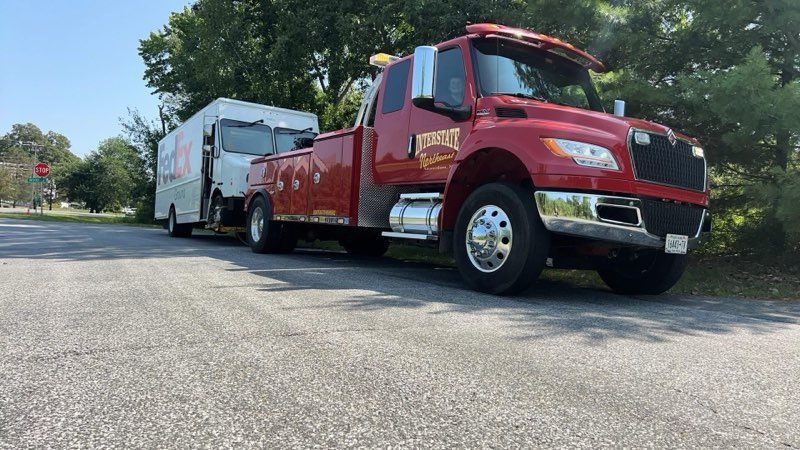
Experiencing an unexpected automotive breakdown, sudden tire failure, or roadway collision tests the patience and composure of any motorist. While drivers naturally desire to resolve roadside troubles quickly, continuing to operate a compromised vehicle often results in catastrophic mechanical failures and severe safety hazards. Knowing when to step away from the steering wheel and request professional assistance protects both personal safety and long-term financial resources. Enlisting an experienced towing service provides peace of mind, expert equipment handling, and prompt transport to qualified repair facilities. Rather than risking personal safety along busy highway shoulders or attempting difficult repairs in severe weather, drivers can rely on seasoned specialists to handle vehicle recovery with care. If you ever find yourself stranded on the roadway and require dependable assistance, please reach out to Interstate Northeast, Inc.